Applications
Image Inpainting
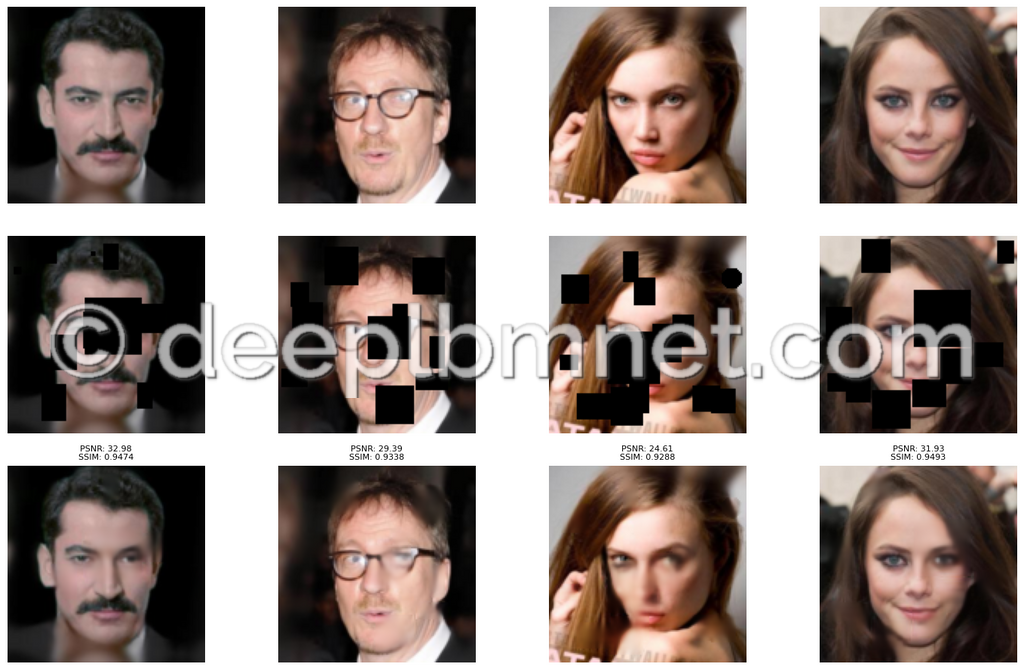
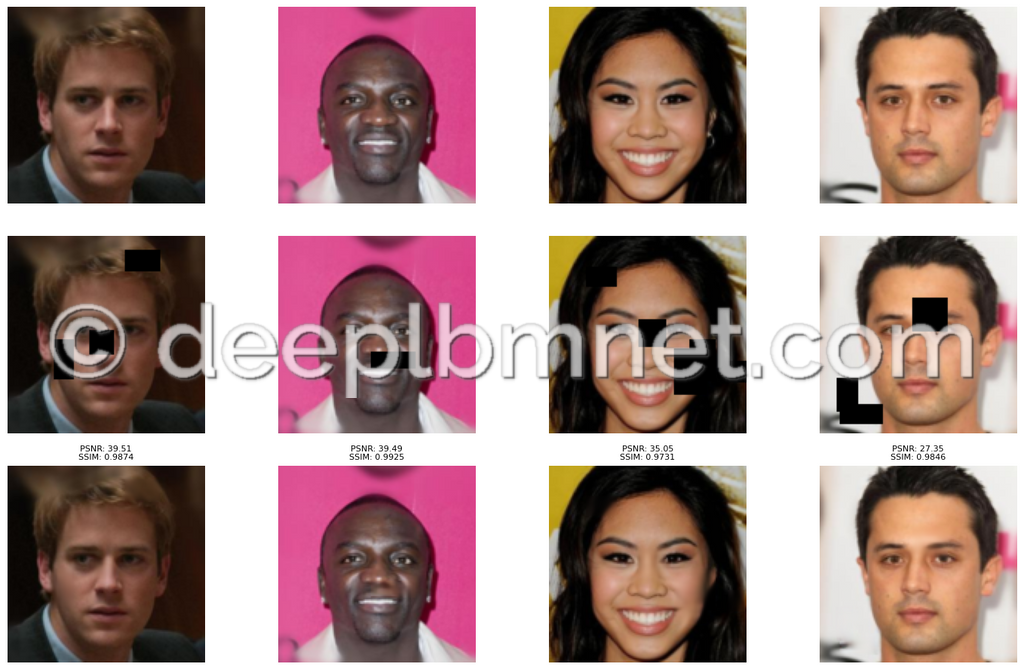
LBMNet for Image Inpainting is a physics-inspired deep learning architecture designed to reconstruct missing or damaged regions in images by leveraging the principles of the Lattice Boltzmann Method. Instead of relying solely on conventional convolutional operations, LBMNet employs lattice-based streaming, collision, and moment computations to propagate structural and contextual information across corrupted areas. This physics-guided framework enables the network to preserve edges, textures, and fine details while generating visually coherent reconstructions. Its lightweight, interpretable, and scalable design makes LBMNet an efficient solution for image restoration in applications such as photo editing, medical imaging, remote sensing, and cultural heritage preservation.
Object Detection
LBMNet for Object Detection is a physics-inspired object detection architecture that leverages the principles of the Lattice Boltzmann Method to accurately localize and classify objects in images. By integrating lattice-based streaming, collision, and moment computations into the feature extraction process, LBMNet efficiently captures both local structures and global contextual information. Its lightweight, interpretable, and scalable design enables robust object detection with high computational efficiency, making it well suited for applications such as autonomous driving, medical imaging, remote sensing, industrial inspection, and intelligent surveillance.
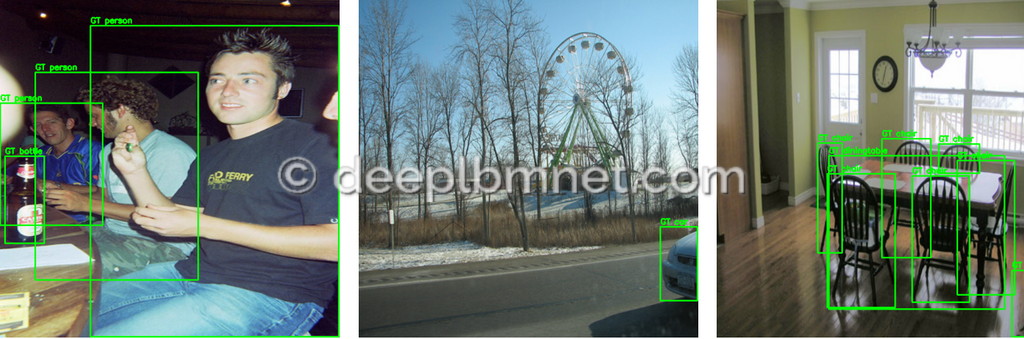
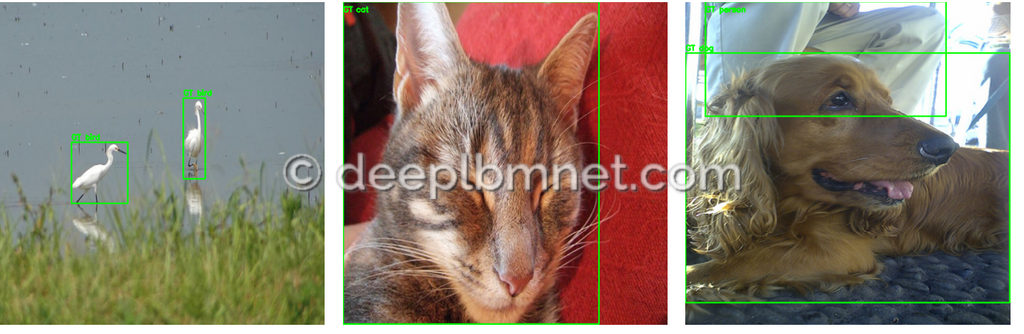
Image Classification
LBMNet for Image Classification is a physics-inspired deep learning architecture that applies the principles of the Lattice Boltzmann Method to image classification. By integrating lattice-based streaming, collision, and moment computations into hierarchical feature learning, the network effectively captures rich spatial and directional representations. Its lightweight, interpretable, and scalable design provides an efficient alternative to conventional convolutional neural networks, delivering accurate image classification across a wide range of computer vision applications.

Face recognition
LBMNet for Face Recognition is a physics-inspired deep learning architecture that applies the principles of the Lattice Boltzmann Method to robust facial representation learning. By integrating lattice-based streaming, collision, and moment computations, the network effectively captures discriminative facial features while preserving both local textures and global structural information. Its lightweight, interpretable, and scalable design provides an efficient solution for accurate face recognition under variations in pose, illumination, expression, and occlusion, making it suitable for biometric authentication, access control, surveillance, and identity verification applications.
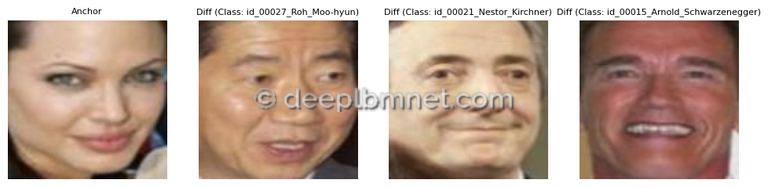
Image colorization
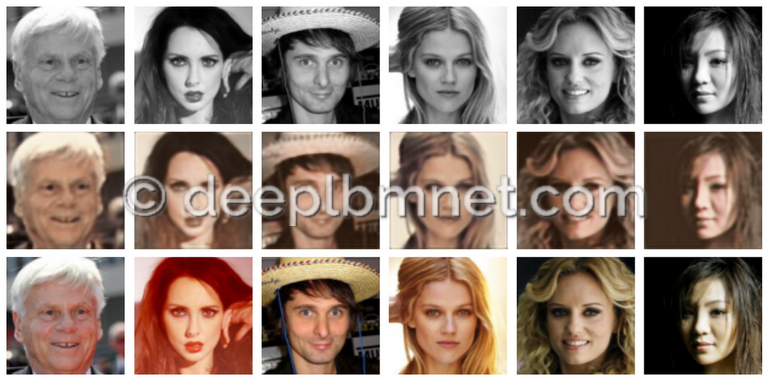
LBMNet for Image Colorization is a physics-inspired deep learning architecture that automatically transforms grayscale images into realistic color images using the principles of the Lattice Boltzmann Method. By integrating lattice-based streaming, collision, and moment computations into the feature learning process, the network effectively captures semantic, structural, and contextual information to generate natural and visually consistent colors. Its lightweight, interpretable, and scalable design makes LBMNet an efficient solution for image colorization in applications such as historical photo restoration, medical imaging, digital media enhancement, and image editing.
Medical Imaging Segmentation
LBMNet for Medical Image Segmentation is a physics-inspired deep learning architecture that applies the principles of the Lattice Boltzmann Method to accurately segment anatomical structures and pathological regions in medical images. By integrating lattice-based streaming, collision, and moment computations with hierarchical feature learning, the network effectively captures both fine anatomical details and global contextual information. Its lightweight, interpretable, and scalable design enables precise and efficient segmentation across a wide range of medical imaging modalities, including MRI, CT, ultrasound, and X-ray, supporting applications in computer-aided diagnosis, treatment planning, and clinical decision-making.


Super Resolution
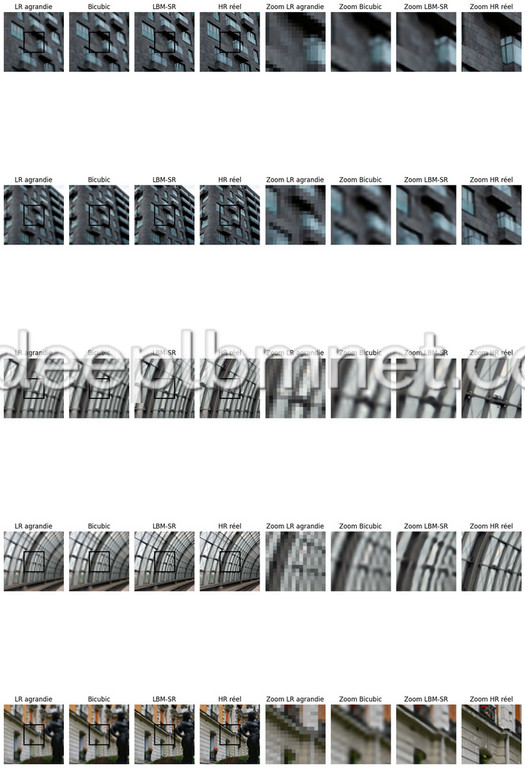
LBMNet for Image Super-Resolution is a physics-inspired deep learning architecture that reconstructs high-resolution images from low-resolution inputs using the principles of the Lattice Boltzmann Method. By integrating lattice-based streaming, collision, and moment computations into the feature extraction process, the network effectively restores fine textures, sharp edges, and structural details while preserving visual consistency. Its lightweight, interpretable, and scalable design provides an efficient solution for image super-resolution across a wide range of applications, including medical imaging, remote sensing, surveillance, and digital photography.
Medical MRI Image Denoising
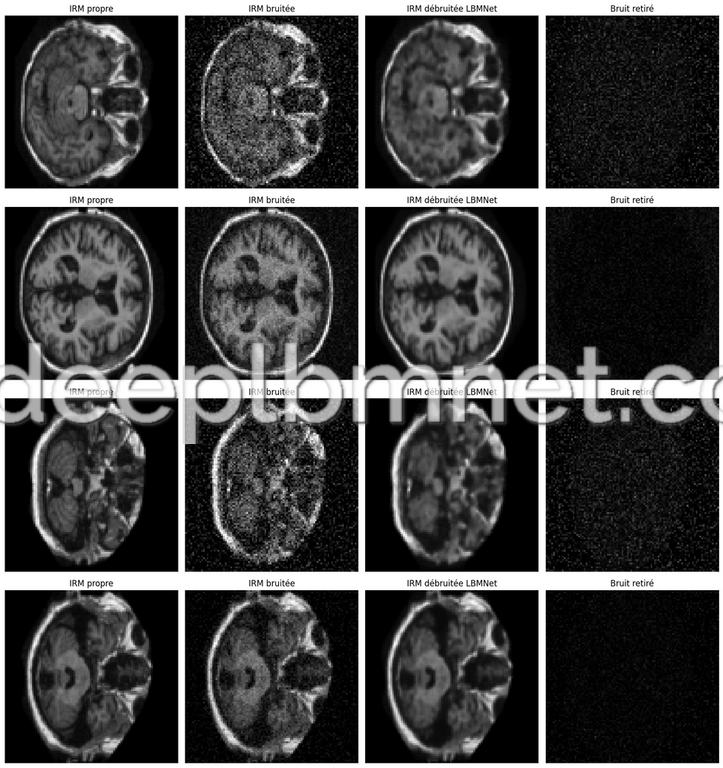
LBMNet for Medical MRI Image Denoising is a physics-inspired deep learning architecture designed to remove noise from magnetic resonance imaging (MRI) while preserving fine anatomical structures and diagnostic details. By integrating the principles of the Lattice Boltzmann Method through lattice-based streaming, collision, and moment computations, the network effectively suppresses noise while maintaining image sharpness and tissue boundaries. Its lightweight, interpretable, and scalable design provides an efficient solution for high-quality MRI enhancement, supporting improved visualization, diagnosis, and subsequent medical image analysis.